
Press Details
- 15 Feb, 2024
- Gaza Health Initiative
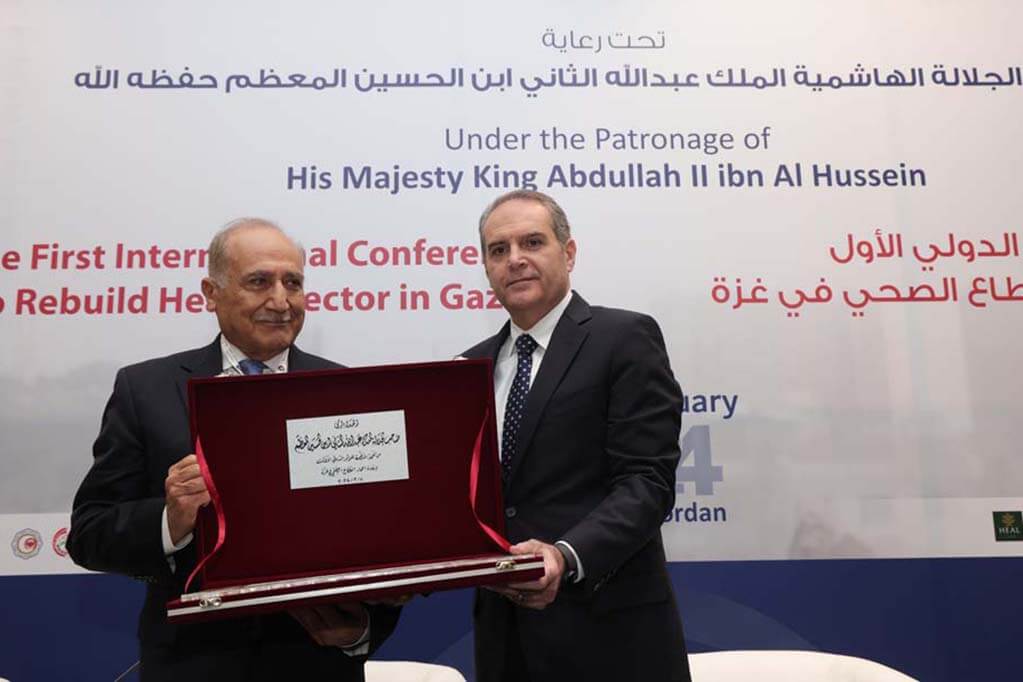
The First International Conference to Rebuild Health Sector in Gaza Sets Out Course For the Future Reconstruction Roadmap
New Amman Declaration Affirms the Moral Imperative to Take Action and Outlines Priorities for Alleviating Escalating Health Crisis
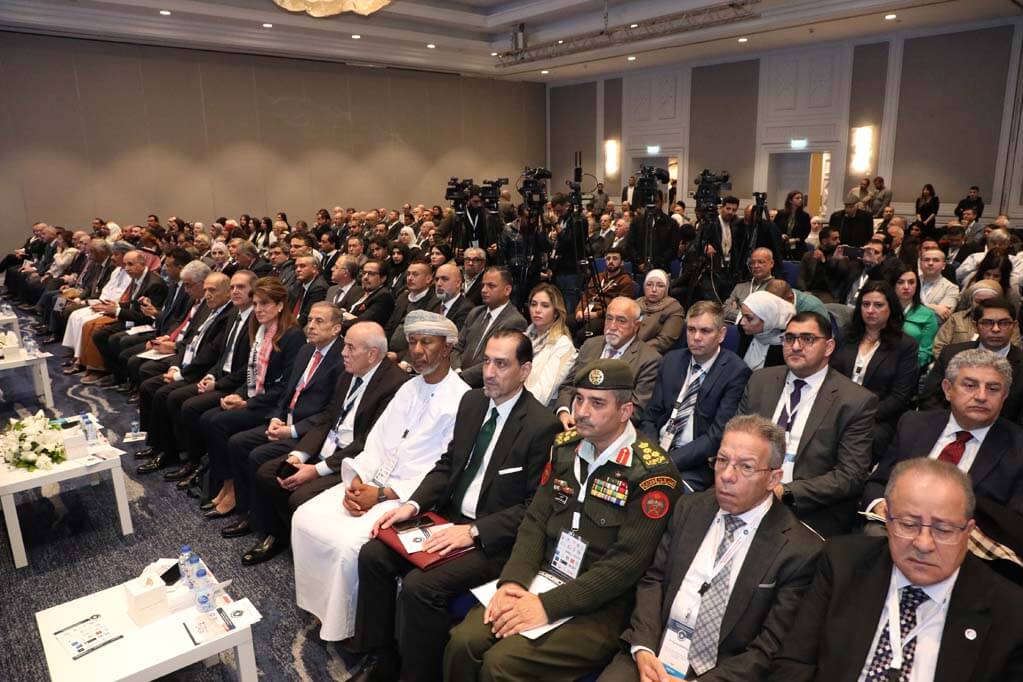
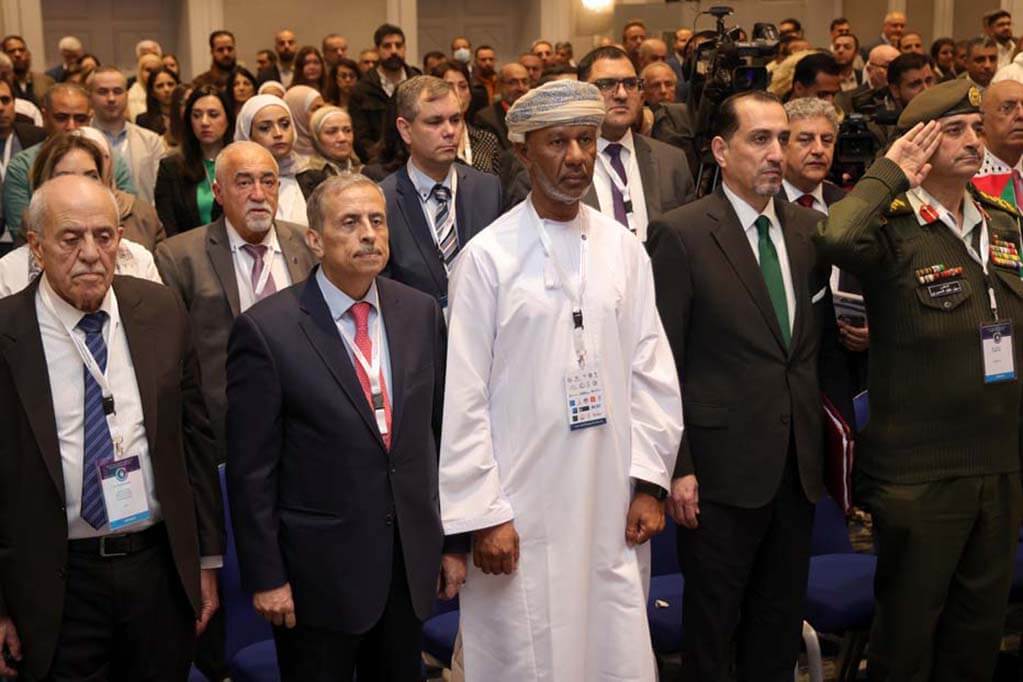
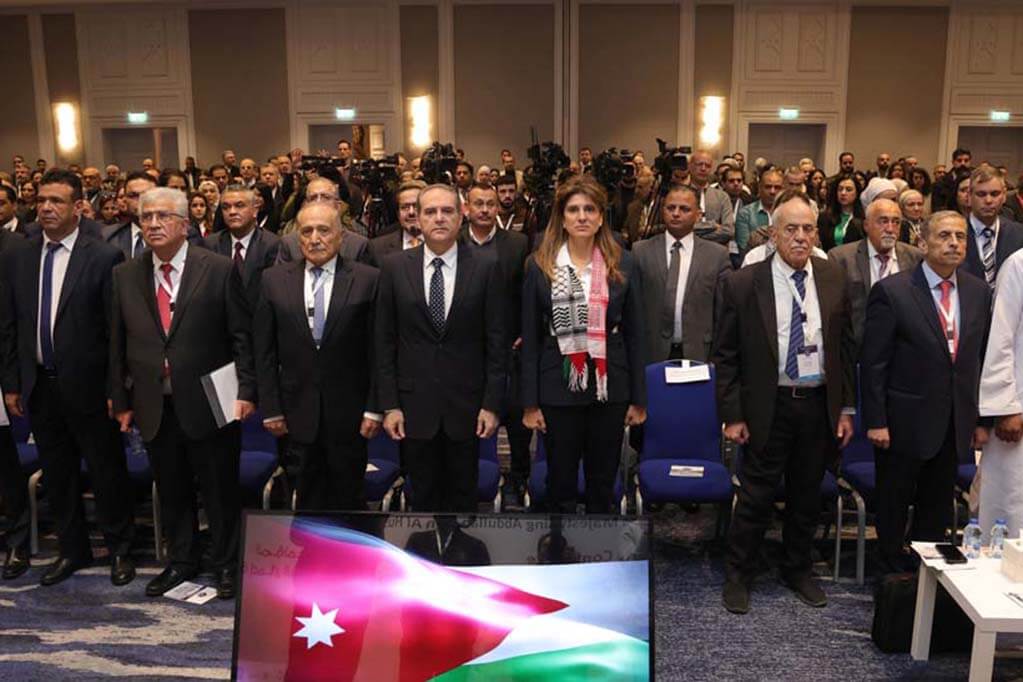
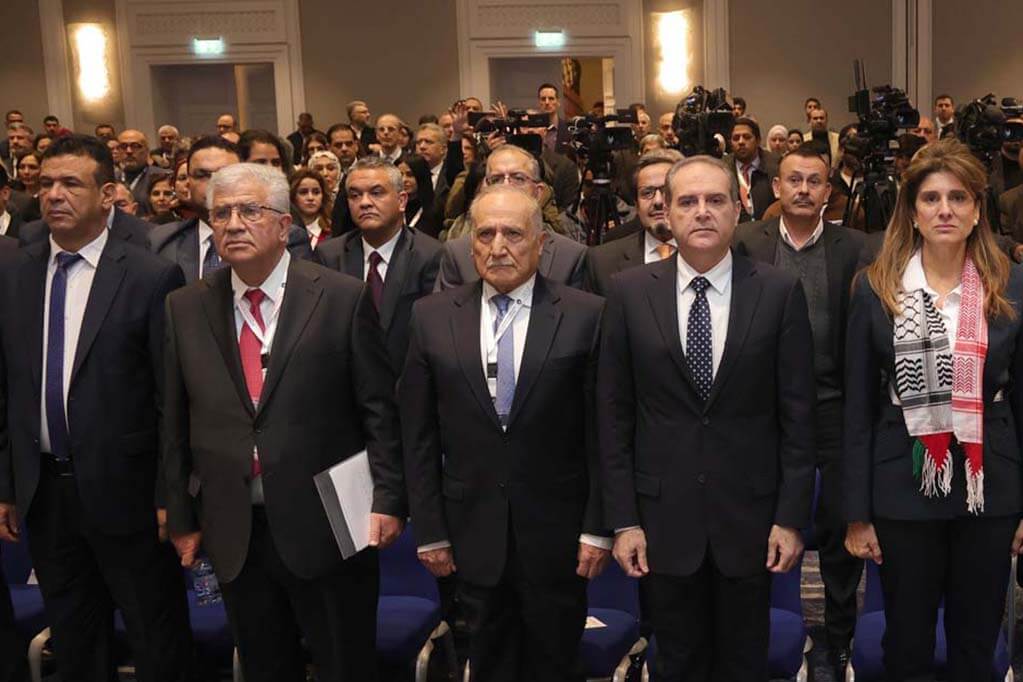
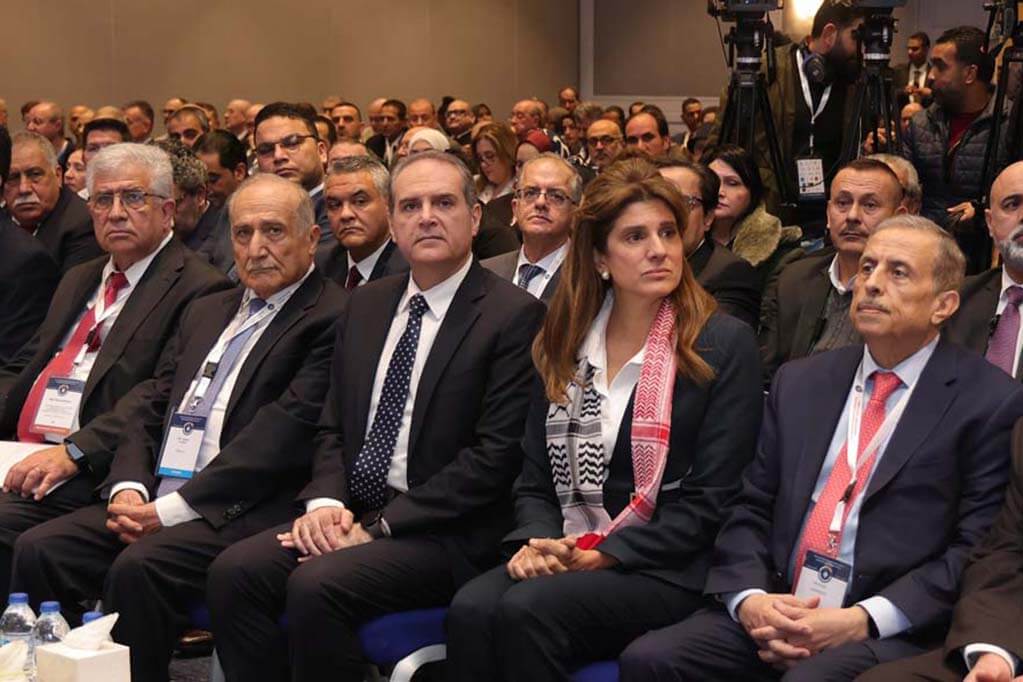
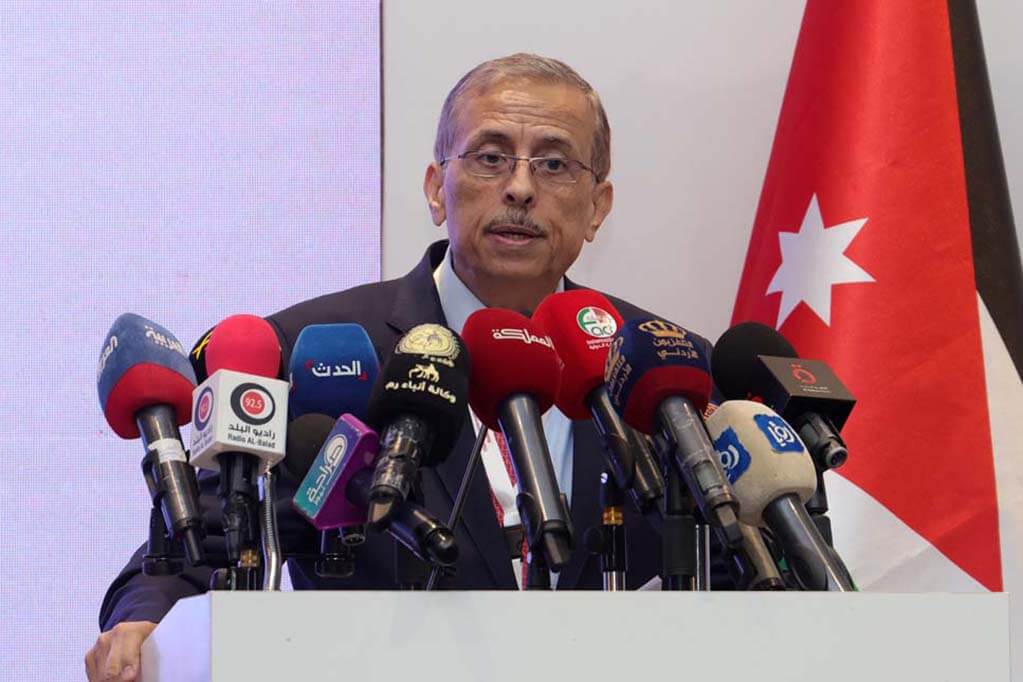
[Amman, Jordan & Washington DC] – The First International Conference to Rebuild Health Sector in Gaza, held in Amman on February 7 and 8, under the patronage of His Majesty King Abdullah II ibn Al Hussein of Jordan, has successfully concluded, uniting a diverse international delegation of clinical and medical experts, business leaders and policy makers from over sixty organizations and more than twenty-five countries from the Middle East, Europe, Asia, North and South America, and New Zealand.
Key participants included ministers of health from Jordan, Palestine, Libya, and Tunisia, as well as representatives from the World Health Organization, UNDP, UNRWA, UNICEF, the World Bank and the Red Crescent Societies from Jordan, Bahrain, Egypt, Kuwait, and the ICRC, in addition to Arab Universities including American University of Beirut, University of Jordan, Yarmouk University and Balqa University. The conference format was hybrid, with more than 500 in person attendees and hundreds attending virtually.
The conference highlighted the critical humanitarian and health challenges faced by the population in Gaza—particularly children, vulnerable women, and the elderly—amidst the ongoing conflict. The panelists underscored the urgent need to address the unprecedented healthcare challenges in Gaza, emphasizing the necessity for global collaboration and a coordinated effort to call for protection of healthcare professionals, hospitals, and ambulances, as well as support for relief efforts to rebuild the health system on the ground.
February 15, 2024 The participants all agreed there was an urgent need for a ceasefire and affirmed equal commitment to the common cause to rebuild the health system in Gaza. Special emphasis was made of the following:
1. It is of utmost priority to preserve the life of all humans. We call on all involved organizations to coordinate calls for humane treatment and to extend support for the heroic efforts of healthcare workers in Gaza.
2. Medical organizations in the US and Europe should issue consolidated and coordinated action plans designed to facilitate medical care, medical evacuations, and access to medical supplies and basic needs. Related, we call for open borders for medical and humanitarian aid without restrictions.
3. Special attention must be paid to the care of orphaned children, who constitute an extremely vulnerable population with specific, far-reaching needs. Humanitarian, medical and wrap-around social needs are critical to avoid abuse and traumatization.
4. The preservation of educational opportunities for medical and other allied health students, including facilitating the linking of students with educational opportunities abroad while the Gaza healthcare system is being rebuilt, is key. Ensuring the future of the health workforce in Gaza is vital for ensuring the future health of the citizens of Gaza.
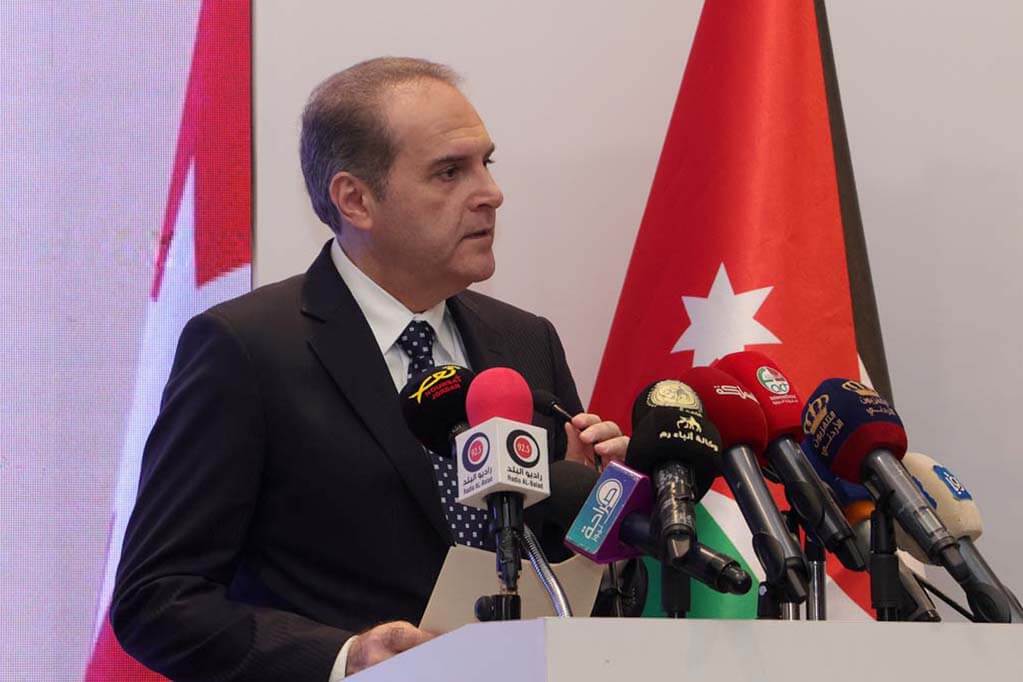
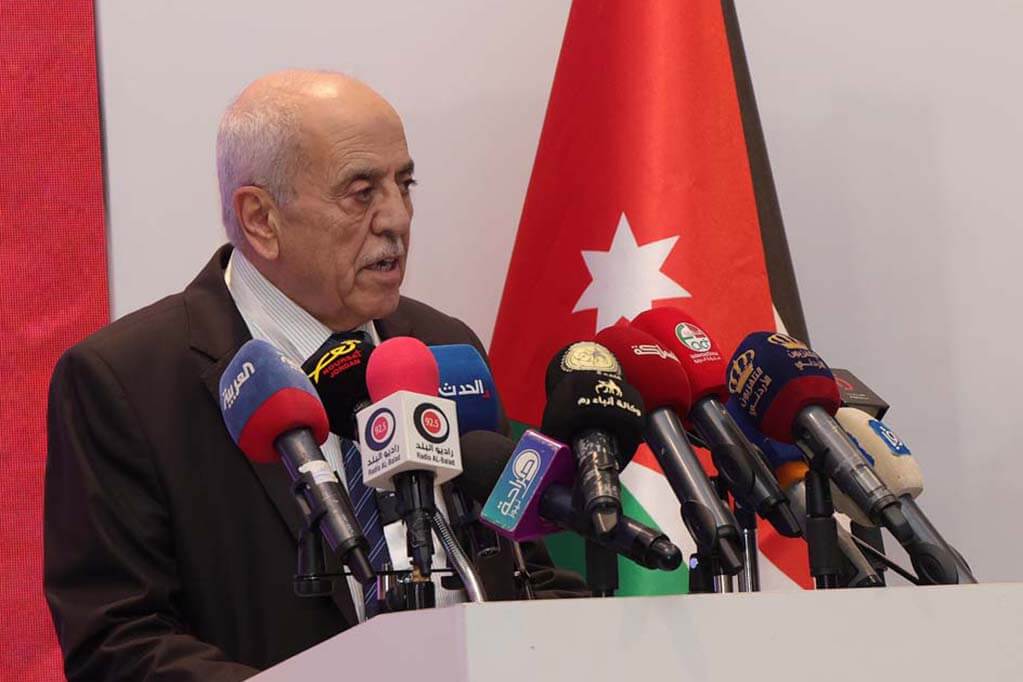
Dr. Omar Lattouf, conference Chair, remarked, "As we embark on the critical mission to rebuild Gaza's health system, recognizing the urgency and afflicting challenges faced by its people is crucial. International collaboration is vital for providing the necessary support and resources."
Insights from the conference stressed the importance of acknowledging the strength of the existing public health system prior to the events of October 7th to understand the complex needs of Gaza's population who have been severely impacted by the conflict and displacement. The dire situation calls for immediate action to provide essential health services caused by significant damage, and to replenish rapidly diminishing medical supplies and equipment.
A strong commitment was shown towards utilizing the “Future of Gaza Health; Needs Assessment” report as a guiding document, which advances a phased comprehensive approach and roadmap to health rebuilding. The international community's support was deemed indispensable in rebuilding Gaza's health infrastructure, including facilities, equipment, and workforce.
The conference concluded with a call for a second international meeting that will delve deeper into the quantitative needs and requirements, whilst further addressing fundraising and resourcing initiatives. This second meeting would also focus on specialty-specific challenges and conditions related to the war, with consideration for the unique challenges to the healthcare ecosystem in Gaza.
The Amman Declaration [below], a unified call to action, was issued, urging transnational organizations, governments, NGOs, and the global community to come together in rebuilding Gaza's health system. Participants pledged to work tirelessly towards a sustainable and resilient future for the people of Gaza.
The First International Conference to Rebuild Health Sector in Gaza was organized by the National Arab American Medical Association and Jordan Medical Association in partnership with Jordan Engineering Association and other professional associations such as Federation of Arab Engineers, the Arab Medical Union, the Private Hospitals Association, Academy of Life Sciences, Palestine Physicians in Europe, Jordan Physicians in Germany, Palestine Children Relief Fund, FAJR Scientific, Global Surgery Umbrella, Egypt Medical Association, Oman Medical Association, Jordan Dentists Association, Jordan Pharmacy Association, Jordan Nursing Association, Heal Palestine and other international institutions, bodies and associations from around the world, representing a wide range of sectors, disciplines, and backgrounds.
You can find the full conference declaration in ... The Amman Declaration



- 2025-07-31
- Gaza Health Initiative
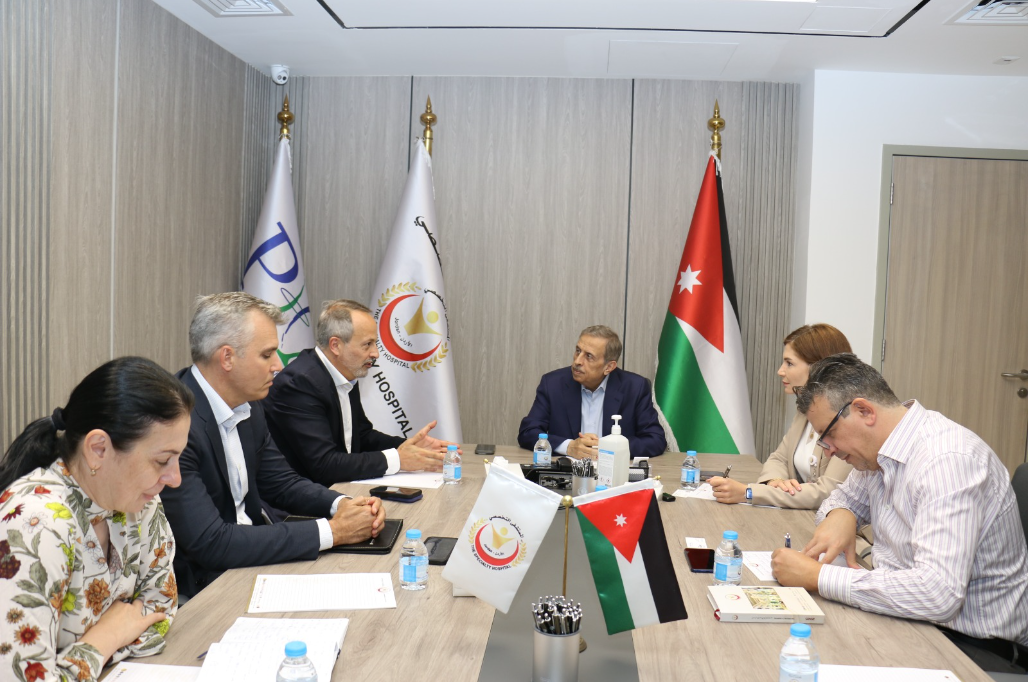
Gaza Health Initiative and Project HOPE Hold High-Level Meeting at Specialty Hospital in Amman...

- 2025-01-24
- Gaza Health Initiative
Dr. Fawzi Al-Hammouri Announces The Launch of the Martyr Dr. Adnan Al-Bursh Scholarship During...

- 2025-01-19
- Gaza Health Initiative
Gaza Health Initiative Praises The Steadfastness Of The Palestinian People And Congratulates The...
Choose Your Demo
- Full width
- Boxed
- LTR Version
- RTL Version