
Press Details
- 03 Jul, 2024
- American University of Beirut
Recommendations And Topics At The Justice For Gaza Conference To Be Implemented After The Conclusion Of The Gaza Health Initiative's Second International Conference
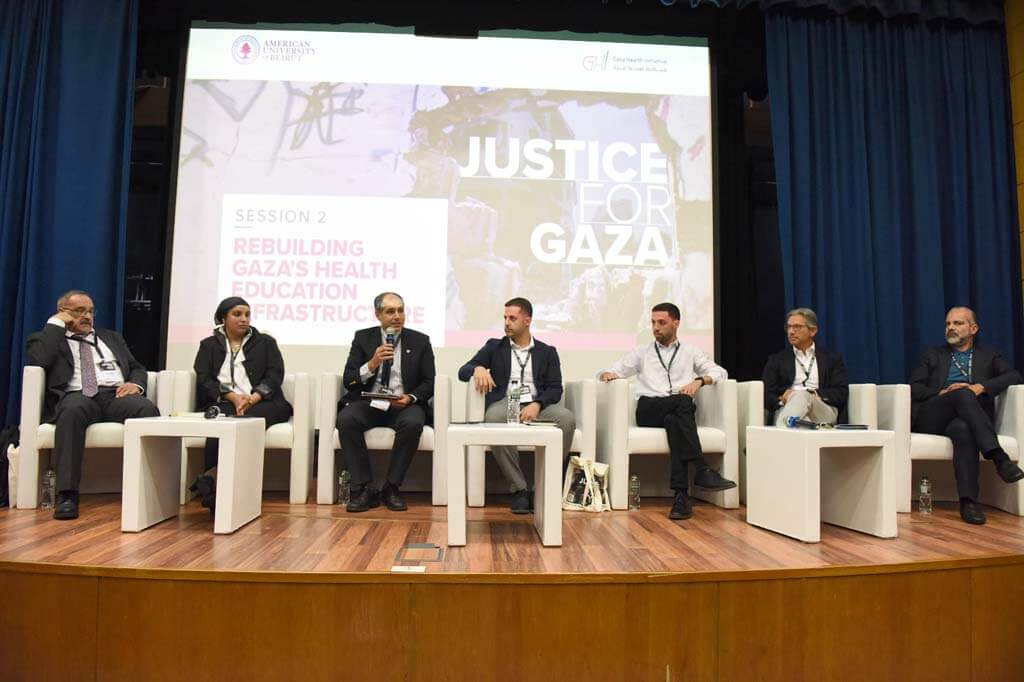
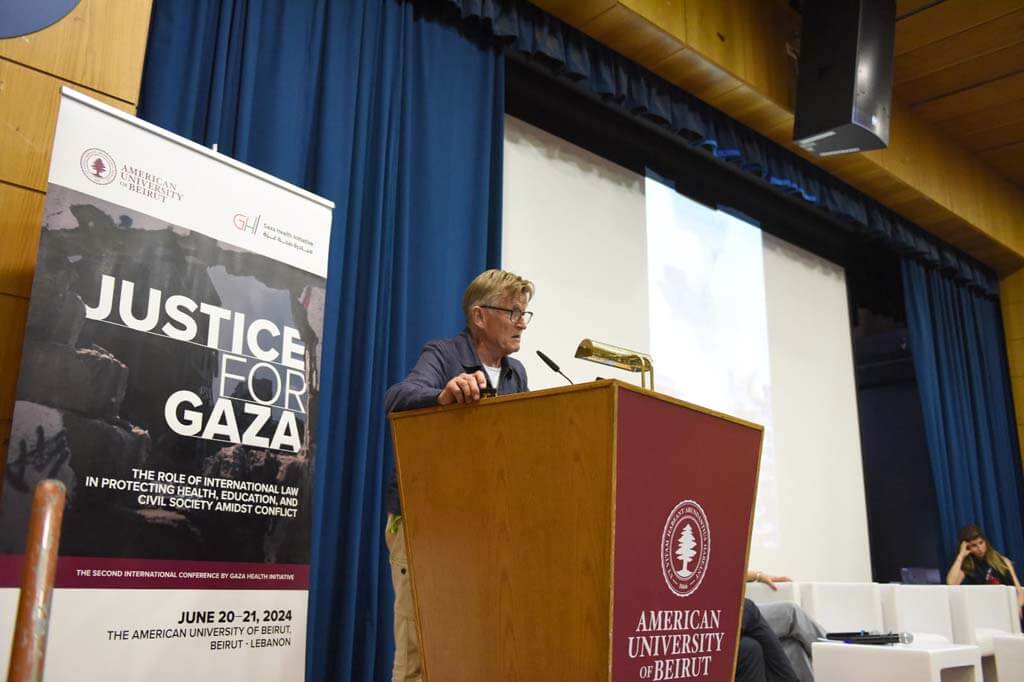
As part of the urgent recommendations that came out of the second international conference of the Gaza Health Initiative, which was held recently under the title “Justice for Gaza” at the American University of Beirut, in Lebanon, work began to implement several important plans, including the launch of an international health education alliance to support the education system in Gaza, where medical students in Gaza began to complete their studies remotely through the recently launched virtual university in which dozens of professors from different countries of the World participate and high-level coordination is currently underway to help part of them to complete their education in Arab and European universities. In addition to providing training for a medical and nursing students present in Gaza Strip by the Arab and foreign medical missions that are going to Gaza regularly. In addition to providing financial support for the Gazan medical students that are studying abroad and to provide post-graduate training at teaching hospitals in Jordan and other Arab countries.
In terms of supporting the health sector in Gaza, the initiative continues to send medical missions including doctors and nurses from around the world, sending medical aid, work on repairing hospitals, and prepare for the reconstruction phase after the cessation of the aggression.
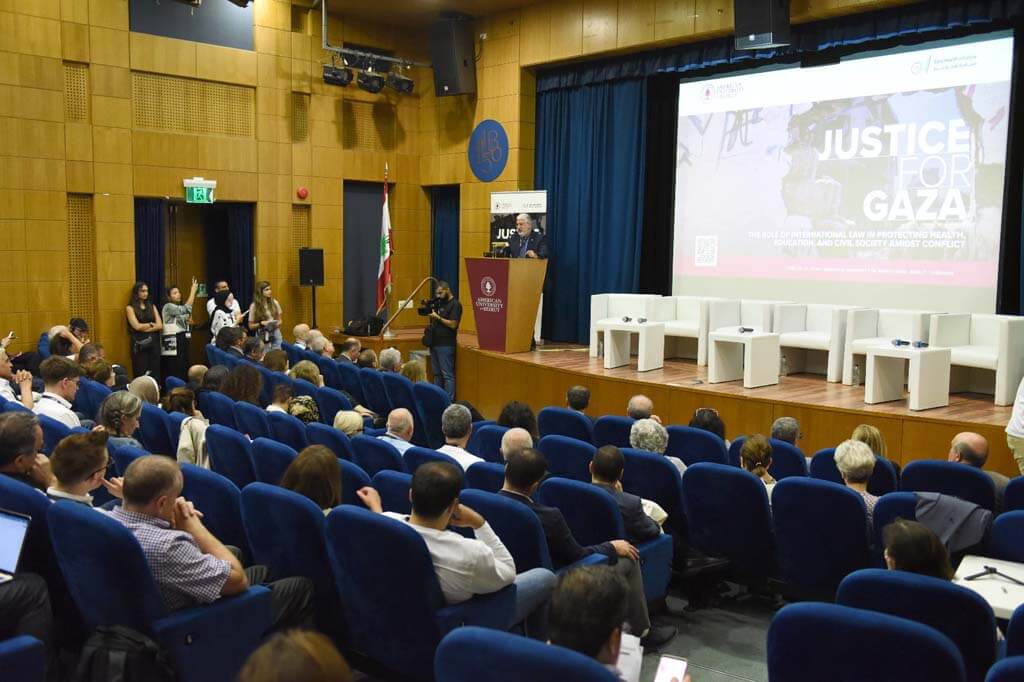
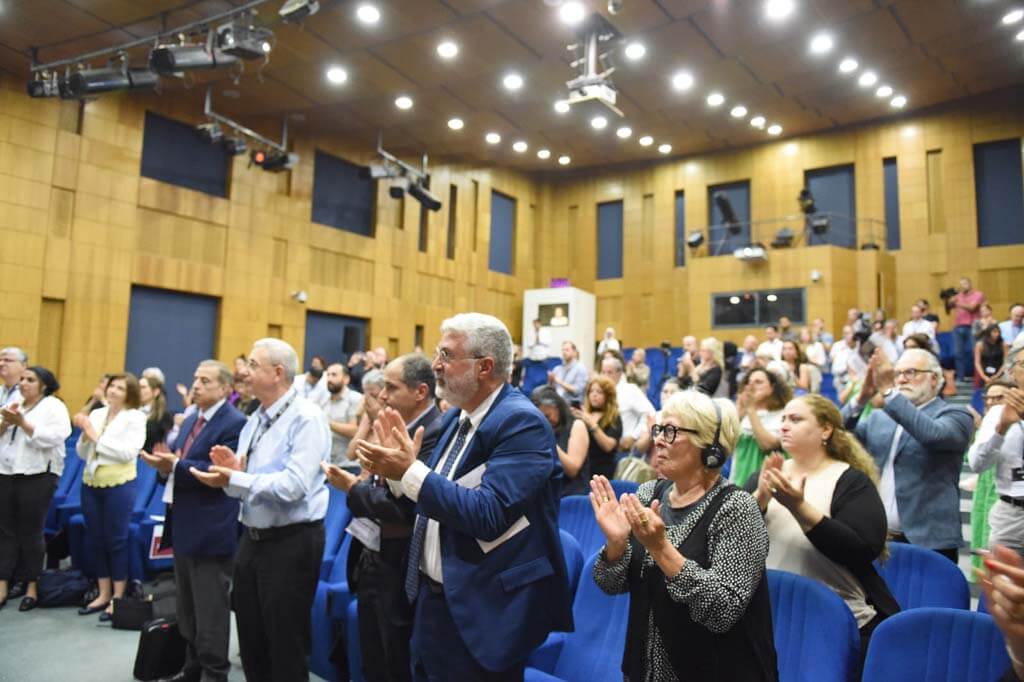
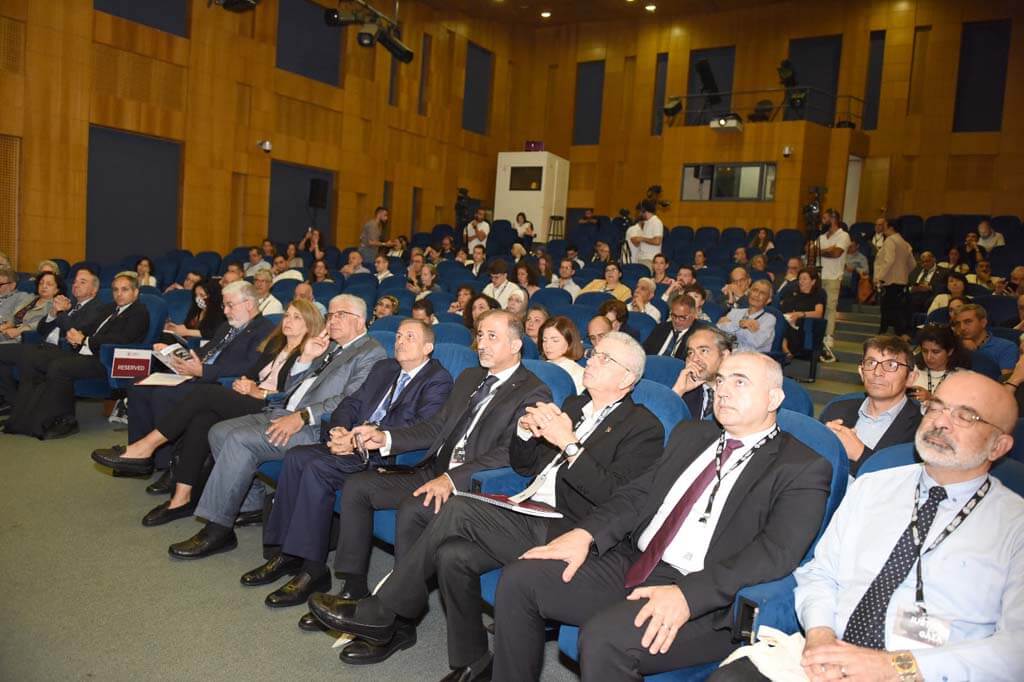
With a focus on Gaza, the conference aimed to strengthen the legal efforts to restore peace, justice and human rights, address the human, social and civil impact of the war, and explore the role of mainstream media and social media in shaping narratives.
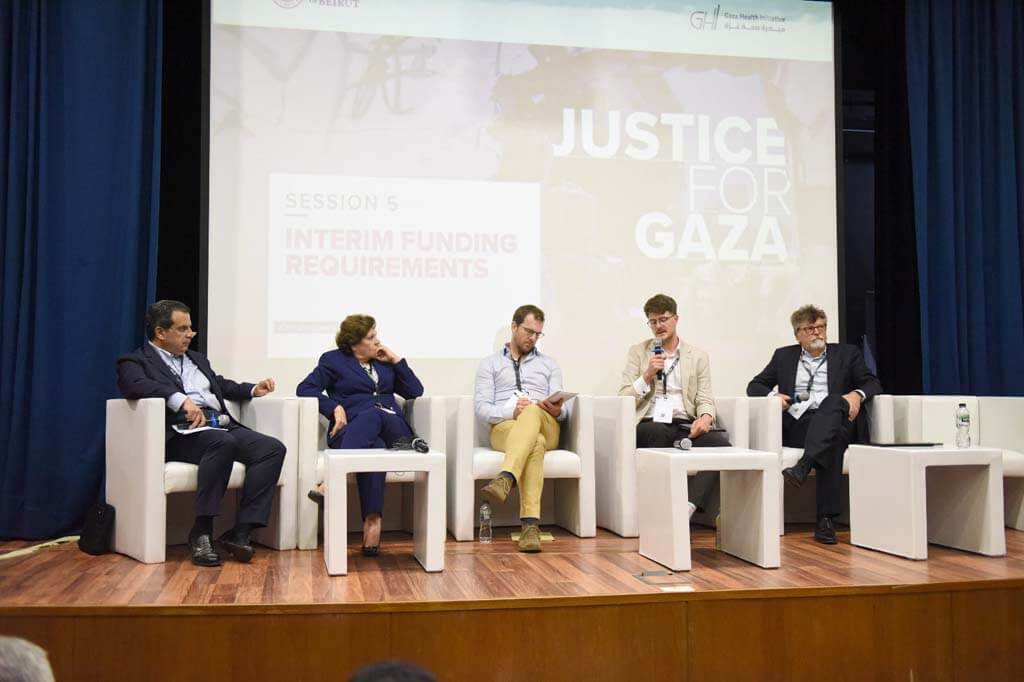
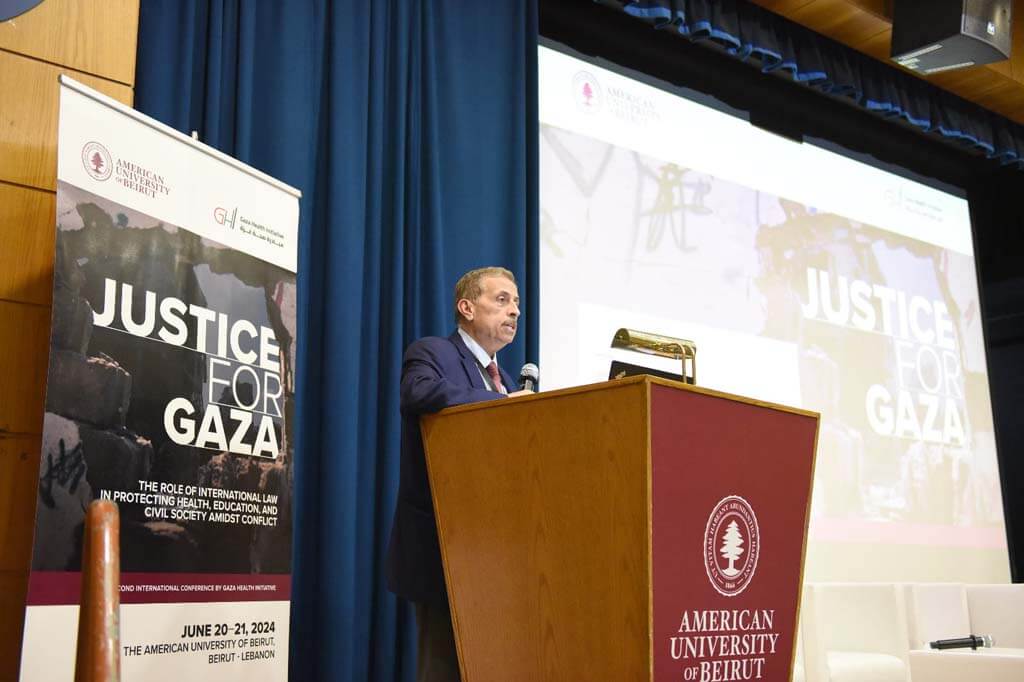
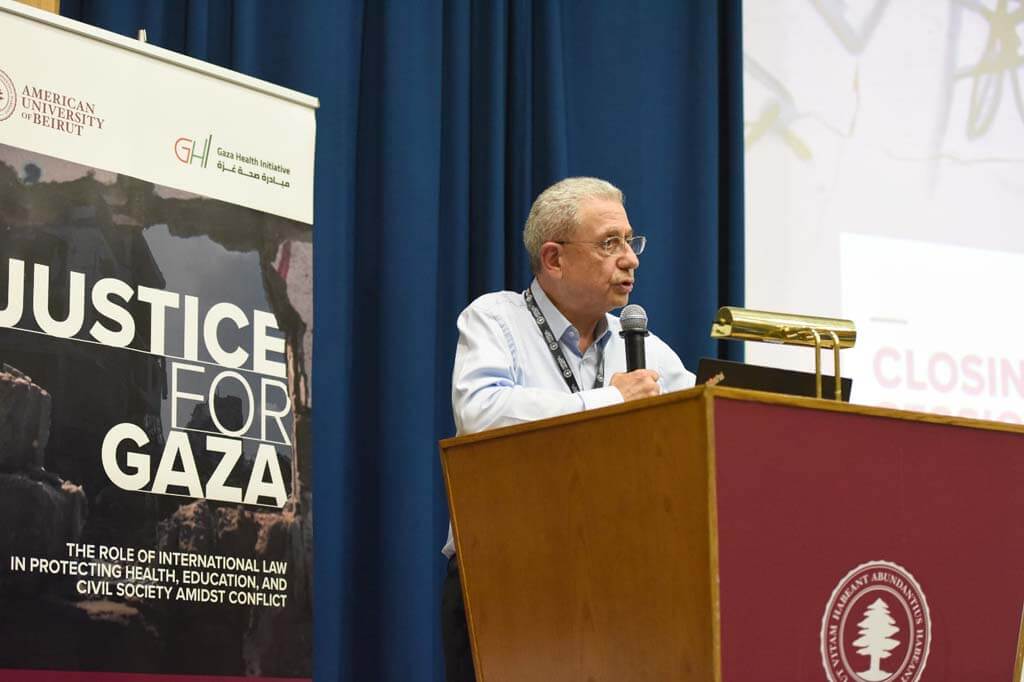
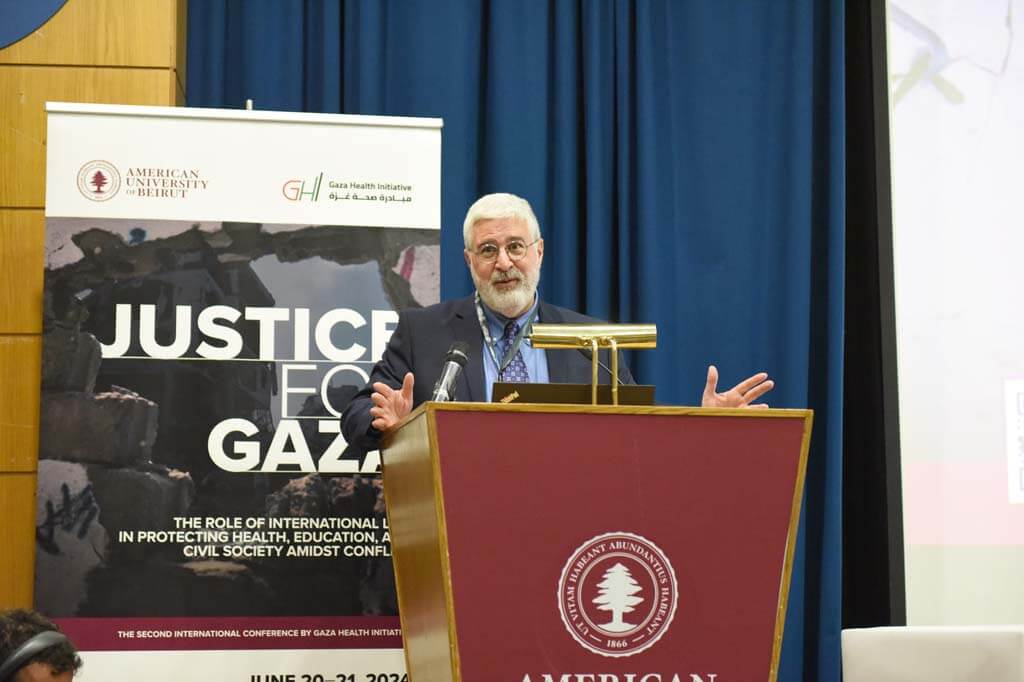
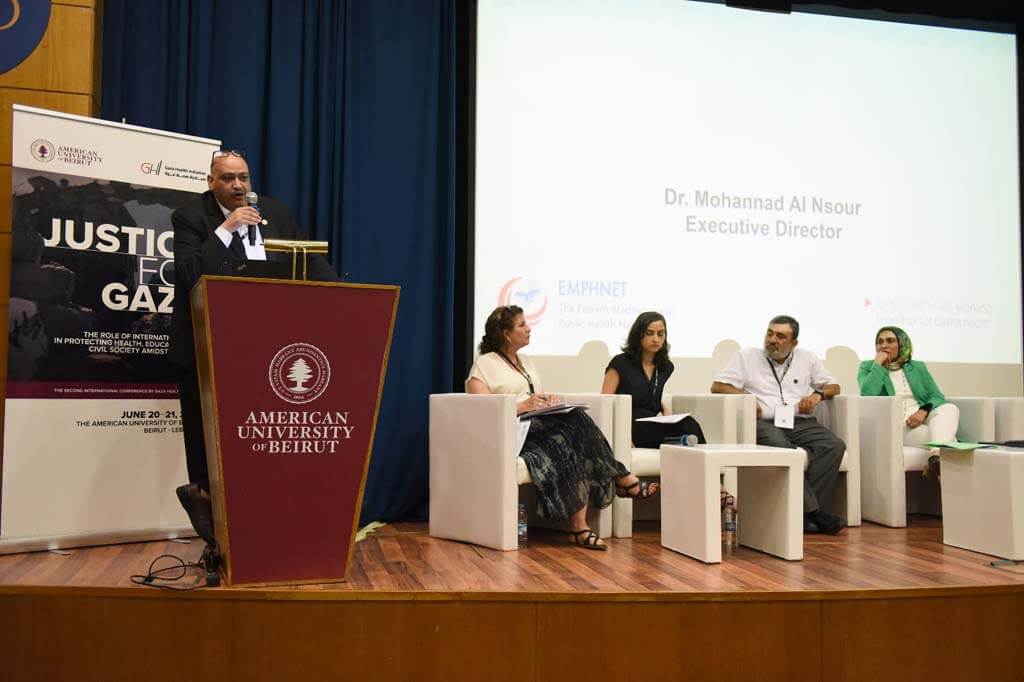
Dr. Omar Lattouf, Professor of Surgery at Emory University School of Medicine and Chair of the Gaza Health Initiative, Dr. Fawzi Hammouri, Executive Chair of the Gaza Health Initiative and former President of the Private Hospitals Association in Jordan, and Dr. Fadlo Khoury, President of the American University of Beirut and co-chair of the conference, spoke at the opening session. They stressed on the importance of coordination between all humanitarian organizations that are members of the initiative to implement immediate, medium-term and long-term plans for rebuilding.
Dr. Lattouf expressed the importance of this international humanitarian coalition, saying that this coalition plays a great and appreciated relief role to mitigate the effects of the ongoing war on civilians in Gaza, especially in the field of health and education. He also expressed his gratitude and appreciation to the American University of Beirut and its administration for hosting this conference and strengthening the relationship with the initiative by consolidating the educational, academic and research tracks at the Global Health Institute at AUB, which is highly respected regionally and globally.
During his speech at the opening session, Dr. Fawzi Al-Hammouri explained that the “Gaza Health Initiative”, which was launched last February during the first international conference for rebuilding the health sector in Gaza held in Amman under the patronage of His Majesty King Abdullah II, has gained momentum with more than 50 countries and 200 international humanitarian non-profit organizations, and the Gaza Health Initiative has become a pool and catalyst for partner organizations that coordinate, facilitate and support their efforts to assist the people of Gaza in various fields, and over the past few months, this initiative has worked hard to save lives with its partners by sending more than 25 medical missions to Gaza, sending medical aid with them. An orphan support program was implemented as there are more than 20,000 new orphans in Gaza and in collaboration with the initiative's partners to implement ongoing programs to support vulnerable children there.
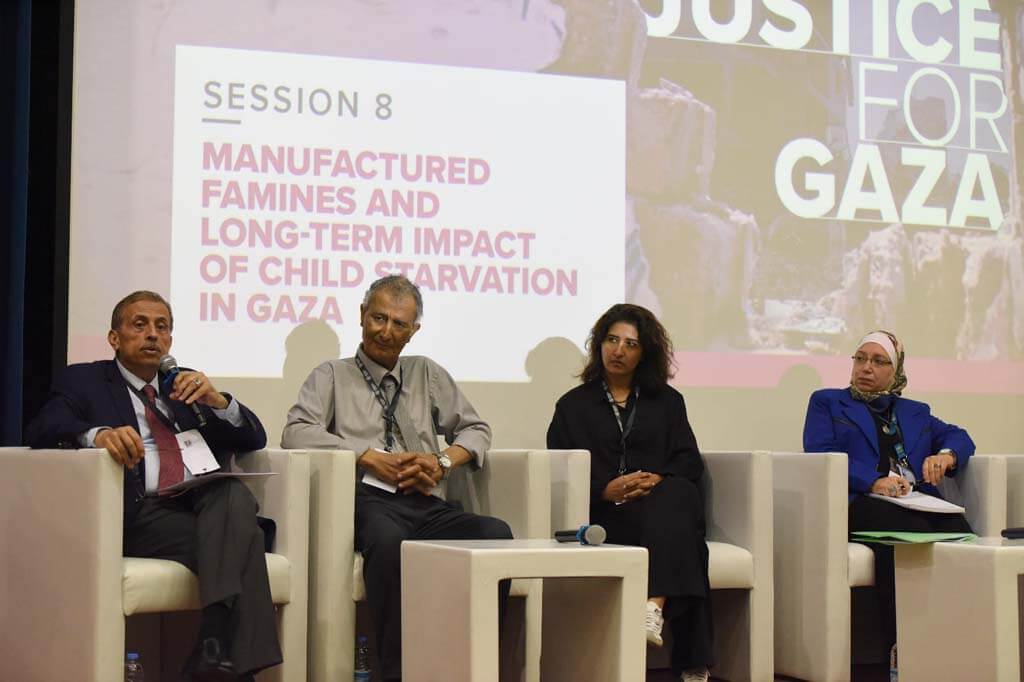
The session “Manufactured Famines and Long-term Impact of Child Starvation in Gaza” was chaired by Dr. Al-Hammouri, who highlighted how to analyze artificial famines and the use of hunger as a strategic tool in conflict, and mentioned that more than 3500 children under the threat of death as a result of starvation, while more than 30 children were reported to have died for the same reason.
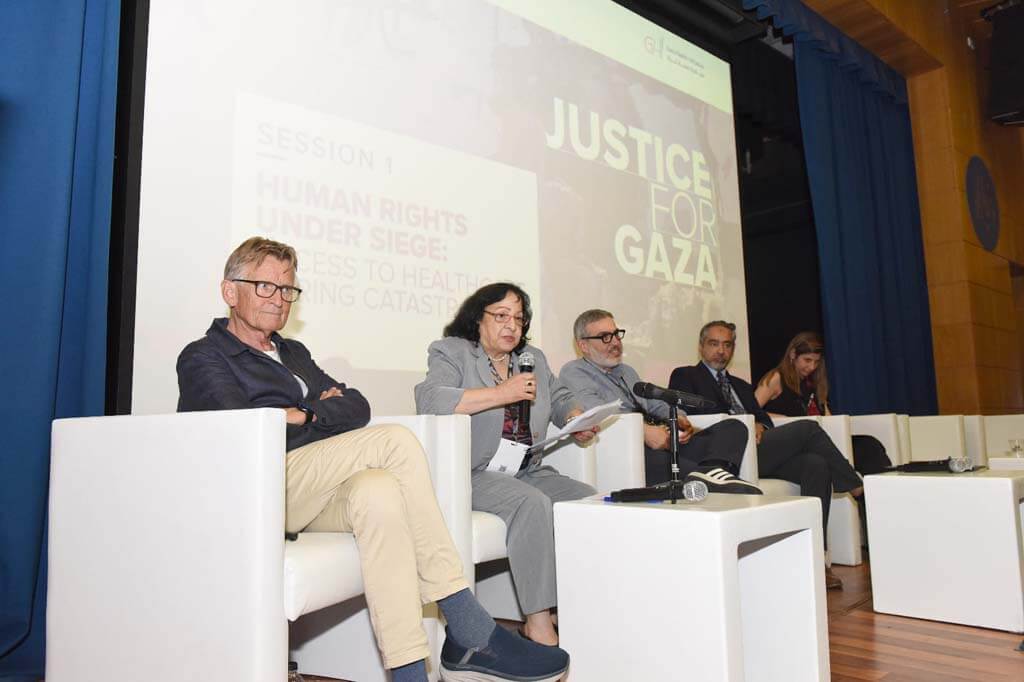
The conference included several panel discussions, starting with a session titled “Human Rights Under Siege: Access to Healthcare During Catastrophes” This session explored strategies for rebuilding Gaza's healthcare infrastructure amid severe shortages and damaged facilities. Speakers explored innovative ways to utilize existing resources, including alternative health care systems, to provide equitable access to health care for Gaza's displaced population. The discussion also highlighted the role of international medical relief organizations. The session assessed the impact of the aggression on women's and children's health.
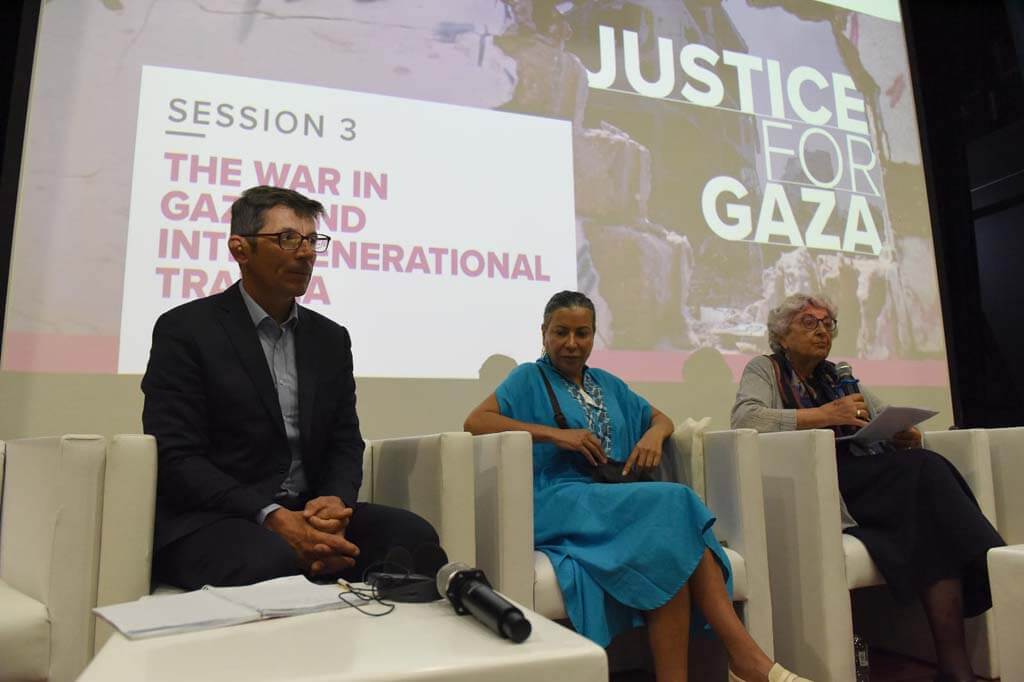
The session “The War in Gaza and Intergenerational Trauma” examined the long-term consequences of the conflict on the population of Gaza. It addressed immediate, long-term and intergenerational impacts, and discussed the importance of local initiatives in preserving heritage and memories while promoting a healthy and sustainable environment. Speakers emphasized the need to manage acute health issues, control chronic diseases, especially cancer, and mitigate the impact of the war on future generations.
The session titled “Pushing The Law’s Limits: Rethinking Gaza And International Law Post October 7th", examined the limitations of international legal frameworks in ending the occupation on Palestine. The session reviewed recent international developments, including mobilization efforts in international courts and the issuance of an arrest warrant for the Israeli Prime Minister. The panelists discussed how international law can be utilized to achieve justice and accountability.
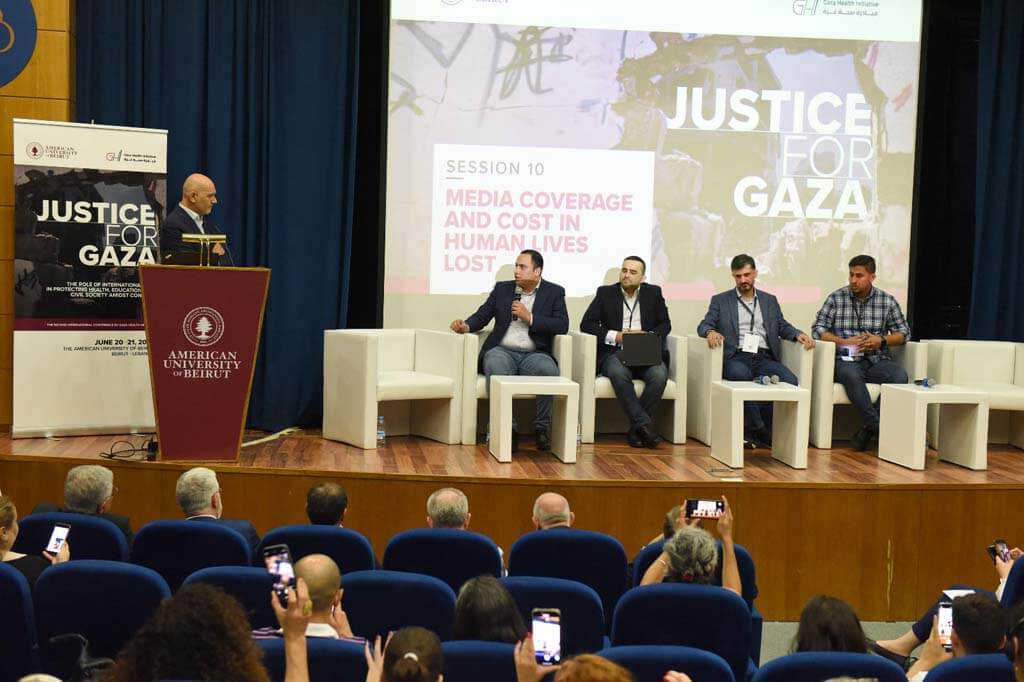
The “Interim Funding Requirements” session focused on the complexities of delivering aid to Gaza, addressing the challenges in providing basic assistance such as food, shelter, and financial aid. Working on building a sustainable financial structure and restoring the banking system, emphasizing the critical role of international support and donor contributions in meeting the reconstruction process.
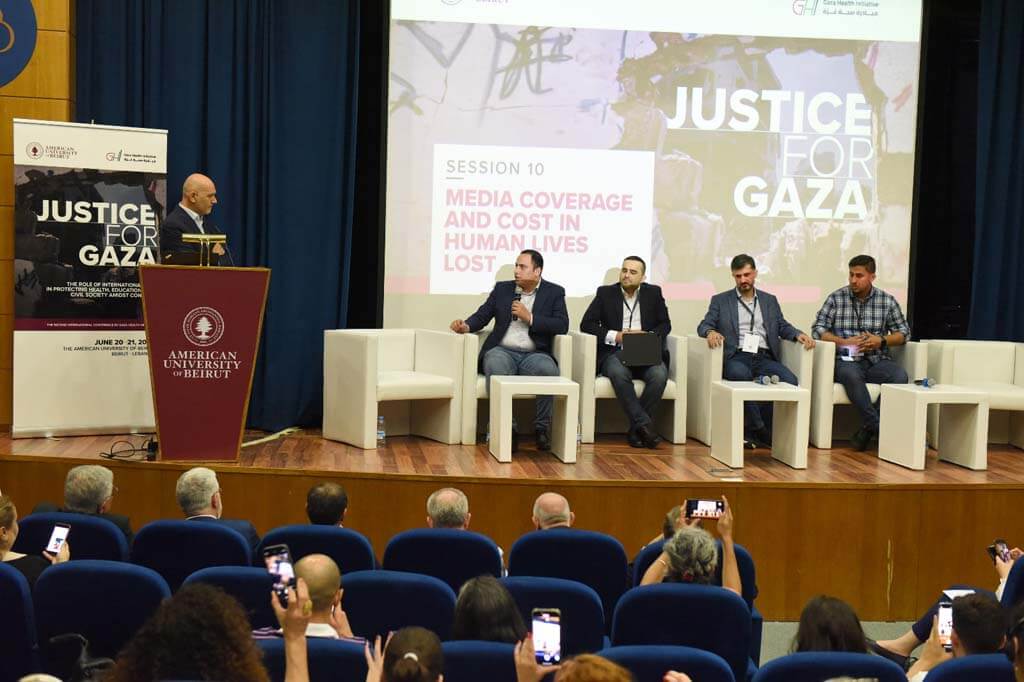
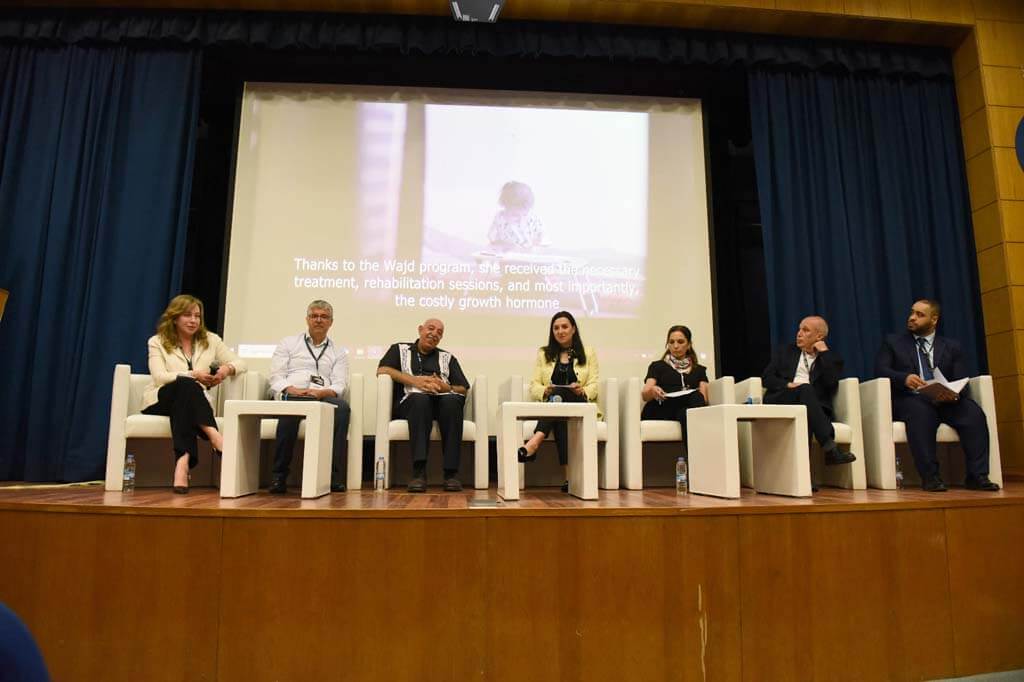
Other sessions included “When Law Becomes the Weapon” and “Gaza’s Orphan Crisis, How Will the World Address this Vexing Problem" which addressed the unprecedented scale of orphans in Gaza and discussed the responsibility of the global community to provide support and solutions. The media played an important role in the session entitled "Media Coverage and Cost of Human Lives Lost" Participants from a number of media professionals who were in Gaza during the aggression assessed the risks and challenges faced by journalists in Gaza, including censorship, intimidation and physical harm. Speakers movingly recounted their personal experiences with the killing of more than 150 of their fellow journalists and many of their loved ones.
The session critically analyzed the role of Western media in distorting the public image and the failure of many Western media outlets to apply ethical journalistic practices.
- 2025-07-31
- Gaza Health Initiative
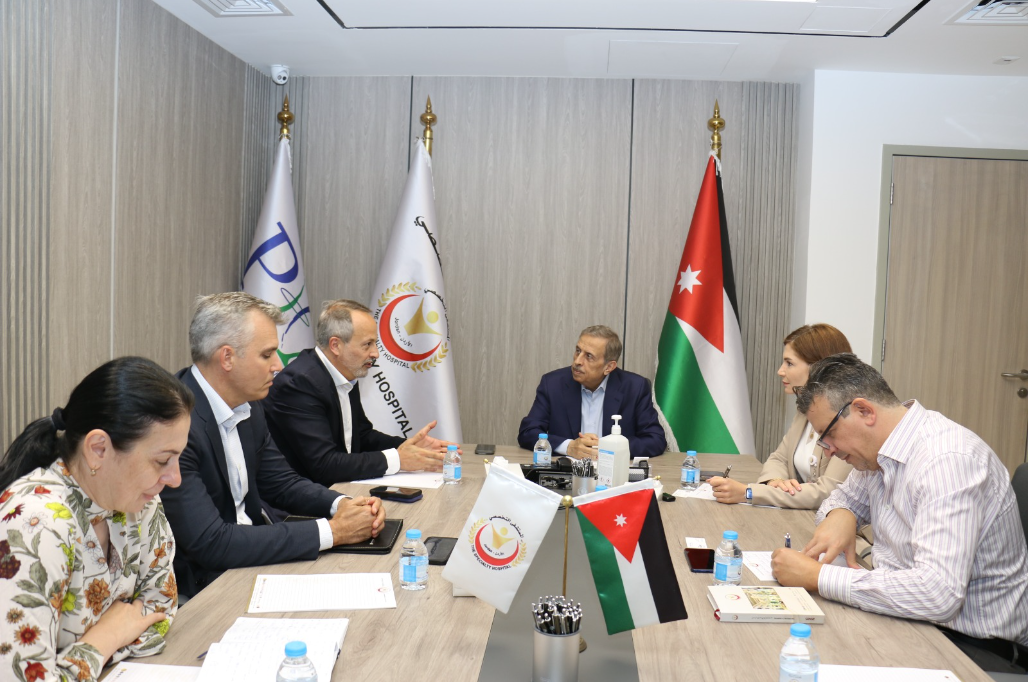
Gaza Health Initiative and Project HOPE Hold High-Level Meeting at Specialty Hospital in Amman...

- 2025-01-24
- Gaza Health Initiative
Dr. Fawzi Al-Hammouri Announces The Launch of the Martyr Dr. Adnan Al-Bursh Scholarship During...

- 2025-01-19
- Gaza Health Initiative
Gaza Health Initiative Praises The Steadfastness Of The Palestinian People And Congratulates The...
Choose Your Demo
- Full width
- Boxed
- LTR Version
- RTL Version